

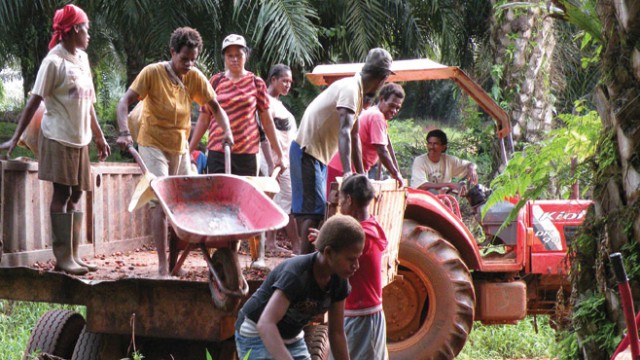
The rapid expansion of oil palm in Indonesia, the largest oil palm exporting country globally, remains highly contested from a forestry and development perspective. On the one hand, as the cheapest edible oil, oil palm has become the primary cooking oil for millions of poor people in developing countries in Asia, Africa and Latin America.
Gender-equitable rights and access to forest and tree resources and benefits: A mixed methods approach in Uganda and Nicaragua
Although the policy environment for addressing gender inequity has improved over the past decade, women continue to be disadvantaged by insecure access and property rights to forest, trees and land resources; by discrimination and male bias in the provision of services, including credit and technology; and by exclusion from decision-making at household, community and national levels.
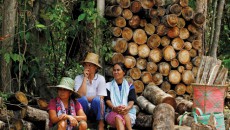
Gender and REDD+: Analyzing women’s roles in sub-national initiatives
While the potential of REDD+ to help or harm forest-based communities has been widely discussed among researchers and practitioners, the authors of this soon-to-be published article argue that less attention has been devoted to potential gendered implications of the program.
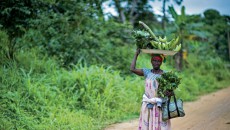
Forests, food security and nutrition: What’s gender got to do with it?
Hunger remains a key development problem in the twenty-first century. Ensuring food security for the world’s population is compounded by the rapid rates of climate change, the environmental, economic and social effects of which are borne unequally across the world.
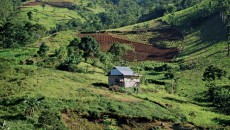
On the balance of power in household decision-making: A gender analysis in southern Sulawesi
Women are often portrayed as homemakers and passive victims of gendered oppression in the literature on gender, forestry and agroforestry. Earlier studies aimed at including women in development have to some extent fed into this bias, focusing largely on women’s contributions in the productive, traditionally ‘male-coded’ spheres, rather than appreciating women’s roles in the reproductive, private spheres.
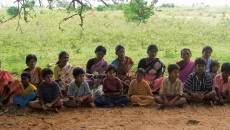
Promoting women’s participation in forest tenure reform processes in Odisha, India
The context of this study is the Forest Rights Act (FRA), passed in 2006 in India (that came into force in 2008), which legitimizes marginalized groups’ access to ancestral forested lands, promotes collective management of forests and provides tribal and other groups with the option of pursuing individual and community-owned land titles through the establishment of claims committees.
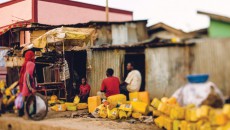
Challenging perceptions about men, women and forest-product use: A global comparative study
This study is a product of the CIFOR-led Poverty and Environment Network (PEN). PEN is a collaborative global project investigating the linkages between forests and livelihoods. It collected and analyzed socioeconomic and environmental household-level data from 8000 households in 24 countries in Africa, Asia and South America.
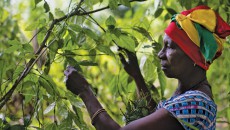
Women’s participation in forest management: A cross-country analysis
The paper examines what determines women’s participation in forestry institutions and the effects of women’s participation on institutional outcomes (particularly on levels of conflict and fairness of rules).
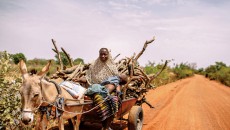
Importance, determinants and gender dimensions of forest income in eastern highlands of Ethiopia: The case of communities around Jelo Afromontane Forest
Rural households across developing countries rely on diversified sources of income, and forest resources play an important role. This study was designed to assess the contribution of forests to the annual income of rural households and to identify its determinants using the case of Jelo Afromontane Forest in eastern Ethiopia.

Gender implications of forest product value chains in the Congo Basin
As part of CIFOR’s research project in West and Central Africa funded by the European Commission and the Common Fund for Commodities, this study analyses value chains of 13 nontimber forest products (NTFPs) from a gender perspective in the Congo Basin (Cameroon, DRC and Gabon).